
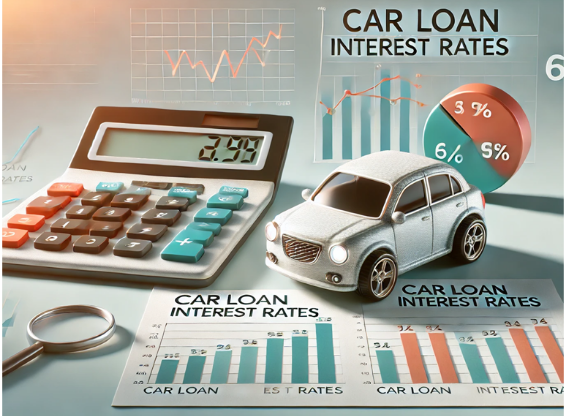
How 2nd Hand Car Loan Interest Rate Changes Impact Monthly Outflow
Purchasing a car, whether a brand-new model or a pre-owned gem, is an exciting milestone for many. With the prices of new cars skyrocketing in recent years, the market for second-hand vehicles has seen a significant surge. Alongside this trend, the demand for 2nd hand car loans has grown exponentially, offering prospective buyers an opportunity to finance their dream car. However, before signing on the dotted line, it is essential to understand how variations in the 2nd hand car loan interest rate can drastically impact your monthly budget. This guide delves into the importance of using a 2nd hand car loan EMI calculator and explains how changes in interest rates affect your monthly loan repayment.
Importance of a 2nd Hand Car Loan EMI Calculator
If you're thinking of financing a used car through a loan, the 2nd hand car loan EMI calculator can be your best companion. It helps you determine your Equated Monthly Installments (EMIs) based on several factors: the loan amount, tenure, and interest rate. A good EMI calculation can give you clarity on your monthly financial obligations, allowing you to make a more informed decision about the loan and ensure that it aligns with your budget.
The advantages of using a 2nd hand car loan EMI calculator include:
- Budget Planning: The calculator enables you to plan your monthly expenses effectively, leaving no surprises when it's time to pay your EMI.
- Simple to Use: With just a few inputs—loan amount, tenure, and interest rate—you can instantly calculate your EMI.
- Comparison of Loan Offers: It helps you compare different loan options from financial institutions, ensuring you secure the best deal.
Understanding the Components of an EMI
To fully understand how interest rate changes affect your monthly outflow, it’s essential to break down an EMI. The EMI of any loan is composed of two components:
- Principal: The amount borrowed to purchase the second-hand car.
- Interest: The fee you pay to the lender for using their money, calculated as a percentage of the principal.
Over the loan tenure, the proportion of principal and interest in your EMI changes, but the total EMI remains fixed in most cases (for fixed-rate loans). With changing interest rates, the key factor to focus on is the interest component, as it directly impacts the EMI amount.
How Interest Rate Impacts 2nd Hand Car Loan EMI?
Interest rates play a pivotal role in determining your overall loan repayment amount. Even a slight change in the 2nd hand car loan interest rate can lead to noticeable changes in your EMIs. Let’s explore how:
Higher Interest Rate
When the interest rate increases, the cost of borrowing rises. It means that for every unit of money borrowed, you’ll pay a higher fee to the lender. Consequently, your EMI will increase, putting additional pressure on your monthly budget. This may lead to financial stress if your income or expenses are unable to accommodate the increased amount.
For example, if you borrow ₹5,00,000 at an interest rate of 10% for a tenure of 5 years, your monthly EMI would amount to ₹10,624. However, if the interest rate rises to 12%, the EMI increases to ₹11,122, resulting in an additional ₹498 per month.
Lower Interest Rate
A reduction in the 2nd hand car loan interest rate leads to lower borrowing costs, as you pay less in interest. This decreases your EMI, making the loan more affordable and easier to repay without strain on your finances.
For instance, with the same loan amount of ₹5,00,000 and tenure of 5 years, if the interest rate falls from 10% to 8%, your EMI drops from ₹10,624 to ₹10,138. The monthly savings can add up significantly over the course of the loan repayment period.
Factors Affecting the 2nd Hand Car Loan Interest Rate
Financial institutions determine the interest rate on loans based on several factors. It’s important to be aware of the factors that influence the 2nd hand car loan interest rate to better negotiate your loan terms:
- Credit Score: A higher credit score portrays financial stability and responsible debt management, allowing you to qualify for lower interest rates, while a lower score may lead to higher rates.
- Loan Tenure: Shorter loan tenures tend to have a lower interest rate, as the risk to the lender is reduced. However, longer tenures can lead to slightly higher rates due to increased risk.
- Economic Factors: Changes in the repo rate by the Reserve Bank of India (RBI) directly impact the interest rates offered by lenders. A hike in the repo rate may result in higher car loan interest rates, while a cut makes loans more affordable.
- Vehicle Age: The age and condition of the second-hand car significantly influence the interest rate. Older vehicles generally have higher risks for lenders and may therefore attract higher rates.
- Income Stability and Employment: Lenders often evaluate your income stability and professional background to determine your repayment capacity. Higher stability often results in better interest rates.
- Market Competition: The number of lenders offering second-hand car loans can influence the rates, with high competition potentially reducing the interest rates.
How to Use a 2nd Hand Car Loan EMI Calculator
Using a 2nd hand car loan EMI calculator is simple and hassle-free. Here’s a step-by-step guide:
- Enter Loan Amount: Input the amount you wish to borrow for your 2nd hand car.
- Choose Loan Tenure: Select the duration within which you want to repay the loan. Most lenders offer tenures ranging from 1 to 7 years.
- Enter Interest Rate: Fill in the interest rate offered by the lender for your second-hand car loan.
- Calculate EMI: The calculator will instantly display the monthly EMI, total repayment amount, and overall interest payable.
Many EMI calculators also provide charts or schedules that show the breakdown of principal and interest components over the tenure. This detailed analysis helps you make well-informed decisions.
Strategies to Mitigate the Impact of High Interest Rates
If you’re worried about rising interest rates, here are a few ways to mitigate the impact on your monthly EMI:
1. Negotiate with Your Lender
Some lenders may be willing to lower the interest rate for borrowers with strong financial profiles. Leverage your credit score and good repayment history to negotiate better loan terms.
2. Opt for Shorter Loan Tenure
Although a shorter loan tenure means higher EMIs, you’ll pay significantly less in overall interest. Ensure that the monthly payments are manageable for your budget.
3. Consider Refinancing
If interest rates fall after you’ve taken a loan, consider refinancing the loan at the lower rate with your existing lender or another financial institution.
4. Pay a Higher Down Payment
A higher down payment will reduce the principal, resulting in lower interest and more affordable EMIs throughout the loan period.
5. Choose Fixed Interest Rate Loans
If you foresee interest rates rising in the future, it’s better to lock in a fixed interest rate. While variable rates may seem lower initially, they carry the risk of future hikes.
Benefits of Financing a 2nd Hand Car
Opting for a loan to purchase a second-hand car can be a smart financial decision. Here are some key benefits:
- Affordable Cost: Used cars are significantly cheaper than new ones, and financing their purchase usually leads to lower monthly EMIs.
- Lower Depreciation: New cars depreciate rapidly in the first few years, while the value of used cars stabilizes over time, making them a smarter investment.
- Availability of Loans: Major banks and NBFCs offer competitive loan packages for second-hand cars, with flexible repayment options.
- Access to Premium Models: Financing helps you afford a high-quality used car that may be out of budget as a new purchase.
Conclusion
Navigating the world of car loans can be daunting, especially for second-hand vehicles. However, understanding the role of interest rates in determining your EMIs can help you make informed decisions and save a considerable amount of money. The 2nd hand car loan EMI calculator simplifies the process, allowing you to evaluate various loan scenarios with ease. By using this tool, you can see how changes in the 2nd hand car loan interest rate impact your monthly outflow and plan your finances accordingly. Don’t forget to factor in other influences like your credit score and loan tenure to ensure the best loan deal.
With rising interest rates across industries, it’s becoming more critical than ever to track EMI fluctuations and seek personal financing options that align with your budget. Ultimately, securing affordable repayment terms can help you fulfill your desire for a reliable second-hand vehicle without straining your finances.
By carefully evaluating your loan terms, the EMI tool, and the interest rates, you’ll be well equipped to make a smart purchase decision while enjoying the many benefits of owning a second-hand car.








0 Comments